The Importance of Regular Maintenance for Bulk Oil Systems
Understanding Bulk Oil Storage and Dispensing Systems
Components of Bulk Oil Systems
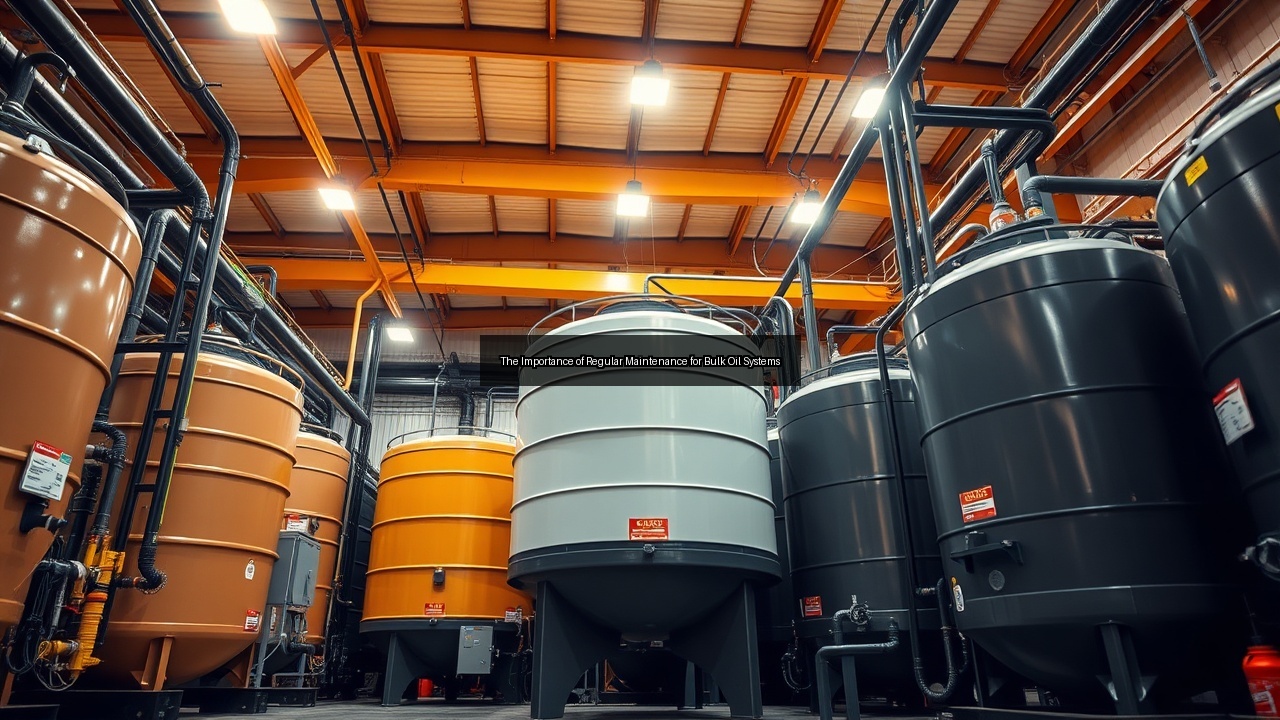
Bulk oil storage and dispensing systems consist of several critical components that work together to ensure efficient and safe handling of lubricants. These systems typically include storage tanks, pumps, filtration units, and dispensing mechanisms. Storage tanks may vary in size from 55-gallon drums to larger welded steel tanks, depending on the volume of oil required for operations. Pumps facilitate the transfer of oil from the tank to the desired location, while filtration systems play a vital role in maintaining the quality of the lubricants. They remove contaminants that can affect the performance and longevity of the oils, ensuring that the lubricants remain effective for their intended applications.
Types of Storage Tanks
Choosing the right type of storage tank is essential for optimizing bulk oil operations. Common options include polyethylene and steel tanks. Polyethylene tanks are lightweight, corrosion-resistant, and suitable for various oil types, making them ideal for smaller operations. Conversely, welded steel tanks provide durability and can accommodate larger volumes of lubricants. The selection between these tank types depends on factors such as the specific oil being stored, regulatory compliance, and the intended storage capacity. Understanding these options helps businesses create an efficient bulk oil storage and dispensing system tailored to their needs.
Importance of Filtration in Bulk Oil Systems
Filtration serves as a cornerstone in the operation of bulk oil storage and dispensing systems. Contaminants such as dirt, water, and metal particles can easily infiltrate lubricants, leading to equipment wear and failure. Implementing robust filtration systems mitigates this risk by ensuring only clean lubricants are dispensed. Regular maintenance of filtration units is essential; clogged filters can restrict flow and cause pressure issues, ultimately leading to system inefficiencies. By prioritizing effective filtration, companies not only protect their machinery but also enhance the overall performance of their bulk oil systems.
The Role of Regular Maintenance
Preventing Contamination of Lubricants
Regular maintenance plays a crucial role in preventing contamination of lubricants within bulk oil storage and dispensing systems. Routine checks and cleaning of storage tanks and dispensing mechanisms help eliminate potential sources of contamination. When oil becomes contaminated, its effectiveness diminishes, leading to increased wear on machinery and possible operational downtime. Implementing a stringent maintenance schedule for filtration components further reduces the risk of contaminants entering the lubrication oil. By prioritizing regular maintenance, businesses can ensure their lubricants remain pure and effective, ultimately enhancing equipment performance and lifespan.
Ensuring Compliance with OSHA and EPA Regulations
Adhering to OSHA and EPA regulations is non-negotiable for companies operating bulk oil systems. These regulations govern the safe storage, handling, and disposal of hazardous materials, including lubricants. Regular maintenance ensures that systems meet the necessary safety standards, reducing the risk of leaks, spills, or fire hazards. Compliance not only protects employees and the environment but also shields the organization from costly fines and legal repercussions. Businesses that prioritize regular maintenance of their bulk oil storage and dispensing systems demonstrate a commitment to safety and sustainability, which is increasingly important in today’s regulatory landscape.
Extending the Lifespan of Storage Tanks
Regular maintenance significantly extends the lifespan of storage tanks used in bulk oil systems. Tanks, whether polyethylene or welded steel, require periodic inspections to identify wear and corrosion. Neglecting these checks can result in costly repairs or even complete tank failure. Maintenance activities such as cleaning, painting, and applying protective coatings prevent degradation and prolong the useful life of the tanks. Additionally, early detection of issues allows for timely interventions that can save organizations from expensive replacements. By investing in the upkeep of storage tanks, companies ensure a reliable and efficient bulk oil system.
Safety Considerations in Bulk Oil Systems
Fire Safety Protocols
Fire safety protocols are paramount in the operation of bulk oil storage and dispensing systems. The flammable nature of lubricants necessitates strict adherence to safety measures. Facilities must implement fire safety training for employees and ensure that appropriate fire extinguishers and suppression systems are readily accessible. Regular inspections of electrical systems and equipment used in the proximity of oil storage must be conducted to prevent ignition sources. Additionally, maintaining proper ventilation reduces the accumulation of flammable vapors. By establishing robust fire safety protocols, organizations protect their personnel and assets from potential fire hazards.
Pneumatic Systems and Their Safety Features
Pneumatic systems are often integrated into bulk oil storage and dispensing systems for their efficiency and safety features. These systems utilize compressed air to operate pumps and dispensing mechanisms, reducing the risk of electrical hazards in flammable environments. Safety features such as pressure relief valves and emergency shutoff switches are critical in preventing accidents. Regular maintenance of pneumatic components ensures they function correctly and safely. Businesses that employ pneumatic systems must prioritize training staff on their operation and safety protocols to maximize effectiveness while minimizing risks.
Managing Waste Oil Effectively
Effective management of waste oil is a crucial aspect of maintaining compliance and safety in bulk oil systems. Companies must establish a systematic approach to collecting, storing, and disposing of waste oil. Implementing proper containment measures prevents leaks and spills, protecting the environment and adhering to EPA regulations. Regular maintenance of waste oil storage tanks ensures they remain in good condition and minimizes the risk of contamination. Partnering with certified waste oil disposal services guarantees that waste oil is handled responsibly. By prioritizing waste oil management, businesses demonstrate their commitment to environmental stewardship and regulatory compliance.
Best Practices for Maintaining Bulk Oil Systems
Routine Inspections and Maintenance Checks
Establishing a schedule for routine inspections and maintenance checks is essential for the longevity and efficiency of bulk oil storage and dispensing systems. These checks should encompass all components, including tanks, pumps, filtration systems, and dispensing mechanisms. Inspections can identify early signs of wear or contamination, allowing for timely corrective actions. Organizations should document all maintenance activities and findings to track performance trends and ensure compliance with regulatory standards. By committing to routine inspections, businesses enhance the reliability of their bulk oil systems and minimize unexpected downtimes.
Utilizing Polyethylene and Steel Tanks
Choosing the appropriate tank material is critical for the effectiveness of bulk oil storage systems. Polyethylene tanks offer corrosion resistance and flexibility for various oil types, making them ideal for smaller operations. On the other hand, welded steel tanks provide durability and higher storage capacities, suitable for larger facilities. Each material presents unique benefits, and selecting the right one depends on factors such as storage volume, environmental conditions, and intended lubricant types. Businesses must weigh these considerations to optimize their bulk oil storage solutions while ensuring safety and compliance.
Gravity Feed vs. Pump Systems in Dispensing
The choice between gravity feed and pump systems for dispensing oil significantly impacts operational efficiency. Gravity feed systems rely on the natural flow of liquid, making them simpler and requiring less maintenance. However, they may limit dispensing options depending on tank placement. Pump systems, while more complex, offer greater control over dispensing rates and distances. They can accommodate various lubrication needs across larger facilities. Organizations should assess their specific requirements when selecting a dispensing method to ensure their bulk oil storage and dispensing systems operate effectively and meet business demands.