Using Custom Rubber Molding to Achieve Perfect Seals and Gaskets
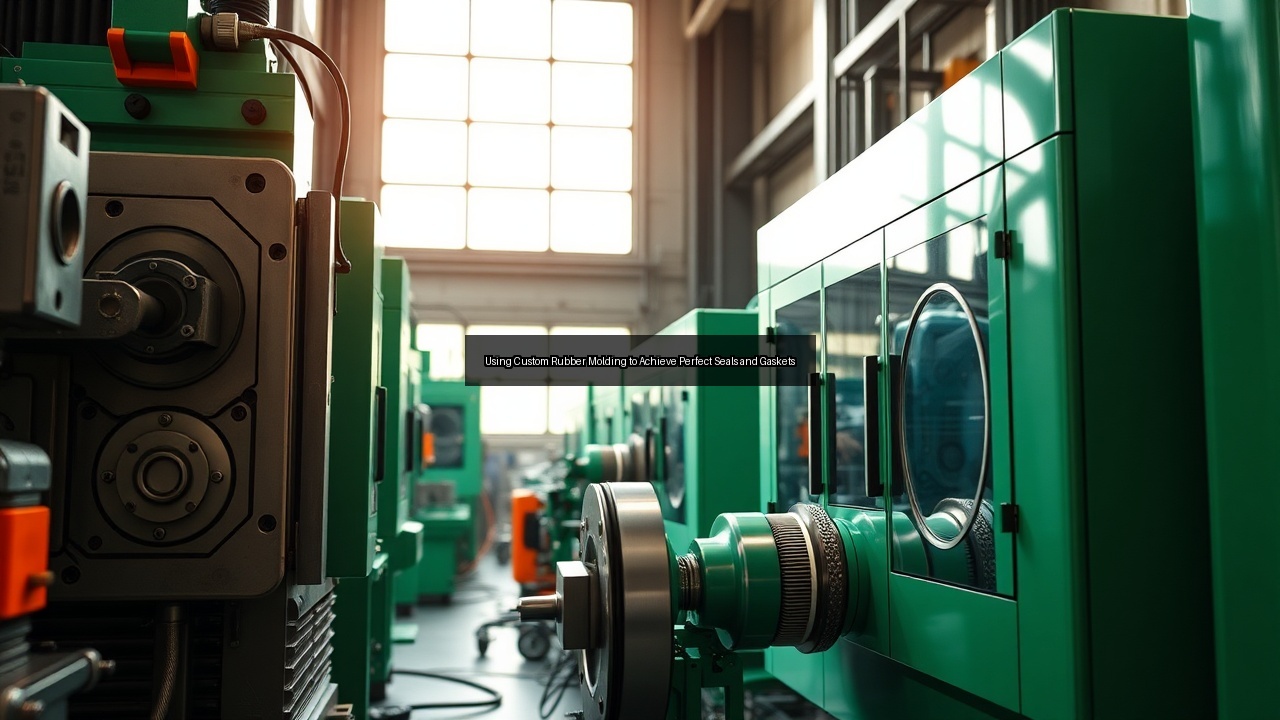
Understanding Custom Rubber Molding
Types of Rubber Molding: Injection, Compression, and Transfer
Custom rubber molding encompasses various techniques, each suited for specific applications and material types. Injection molding stands out as the most common method, where heated rubber is injected into a precisely designed mold. This process allows for high-volume production and intricate designs, making it ideal for creating seals and gaskets with tight tolerances. Compression molding, on the other hand, involves placing rubber in a heated mold cavity, where it is compressed to fit the shape. This method is often used for larger components or simpler shapes. Transfer molding combines aspects of both techniques, where rubber is first preheated and then transferred into a mold. Understanding these processes is crucial for rubber custom molds selecting the right method for your custom rubber molding needs.
Key Materials for Custom Molding: EPDM, Silicone, and Elastomers
The choice of material significantly impacts the performance and durability of molded rubber components. Ethylene Propylene Diene Monomer (EPDM) rubber excels in outdoor applications due to its outstanding resistance to UV rays, ozone, and extreme temperatures. Silicone rubber offers versatility, with superior temperature resilience and flexibility, making it perfect for applications in food packaging and automotive seals. Elastomers, a broad category that includes various synthetic and natural rubbers, provide excellent elasticity and compression set resistance. Selecting the right material based on environmental conditions and application requirements is critical for achieving effective seals and gaskets.
The Role of Temperature and Pressure in Molding Processes
Temperature and pressure play pivotal roles in the molding process, influencing the quality and characteristics of the final product. In injection molding, maintaining optimal temperature ensures that the rubber flows smoothly into the mold, reducing defects and ensuring uniformity. Compression molding relies on controlled pressure to shape the rubber effectively, allowing for proper bonding and curing. Each material has specific temperature and pressure requirements that must be adhered to for successful molding. Engineers and manufacturers must carefully monitor these factors throughout the process to achieve high-quality custom rubber molds.
Design and Engineering Considerations
Importance of Tolerances in Custom Mold Design
Tolerances are critical in custom mold design, particularly for applications requiring precise fits, such as gaskets and seals. Tolerances determine the allowable deviation from specified dimensions, ensuring that the molded parts fit correctly in their intended applications. A tighter tolerance often leads to higher production costs and longer lead times, while looser tolerances may compromise functionality. Engineers must balance these factors to meet customer specifications while maintaining cost-effectiveness. Understanding the specific requirements of each application aids in determining the appropriate tolerances for custom rubber molding.
Utilizing CAD Software for Precision in Mold Creation
Computer-Aided Design (CAD) software revolutionizes the mold design process by allowing engineers to create precise, detailed models of rubber molds. This technology facilitates the visualization of complex shapes and intricate designs, ensuring that all specifications are met before production begins. CAD software can simulate the flow of rubber within the mold, identifying potential issues and allowing for adjustments before any physical molding occurs. By using CAD, manufacturers enhance accuracy, reduce waste, and speed up the design process, ultimately leading to higher-quality custom rubber molds.
Factors Influencing the Choice of Rubber Shapes and Sizes
Choosing the right shapes and sizes for custom rubber molds involves several considerations. The intended application plays a rubber custom molds significant role; automotive components may require compact designs, while industrial applications might necessitate larger, more robust molds. Additionally, the properties of the chosen rubber material can dictate shape and size, as certain materials may not perform well in intricate designs. Manufacturing capabilities and costs also influence these decisions. A thorough understanding of the application requirements, material properties, and manufacturing processes ensures optimal choices for custom rubber molding.
Applications of Custom Rubber Molds
Automotive Industry: Seals, Gaskets, and Bushings
The automotive industry heavily relies on custom rubber molding for various components, including seals, gaskets, and bushings. Seals and gaskets made from high-quality rubber materials prevent leaks in engines and fluid systems, enhancing vehicle performance and longevity. Bushings provide crucial support in suspension systems, absorbing shocks and vibrations. The durability and flexibility of custom rubber components ensure they withstand harsh conditions, such as temperature fluctuations and exposure to chemicals. Manufacturers in this sector prioritize precision and quality in custom rubber molding to meet stringent industry standards and customer expectations.
Food and Packaging: Ensuring Cleanroom Standards
In the food and packaging industries, custom rubber molding plays a vital role in maintaining cleanliness and safety standards. Rubber components used in food processing must comply with stringent regulations, necessitating the use of materials like silicone that are FDA-approved. Custom molds ensure that seals and gaskets fit perfectly, preventing contamination and preserving food quality. Cleanroom standards are critical in these applications, requiring manufacturers to implement rigorous quality control measures throughout the molding process. By adhering to these standards, manufacturers can produce reliable, safe rubber components for food and packaging applications.
Noise and Vibration Control: Bumpers and Grommets
Custom rubber molds find significant applications in noise and vibration control, particularly through components like bumpers and grommets. Bumpers absorb impact and reduce noise in various machinery and automotive applications, while grommets provide a protective barrier for cables and wires, minimizing vibrations. The elastic properties of rubber make it an ideal choice for these applications, as it effectively dampens sound and absorbs shocks. Custom rubber molding allows for the creation of specialized shapes tailored to specific vibration control needs, enhancing performance and longevity in diverse environments.
Choosing the Right Manufacturer for Custom Rubber Molding
Evaluating Manufacturer Expertise and Experience
Identifying the right manufacturer for custom rubber molding requires evaluating their expertise and experience in the industry. An experienced manufacturer possesses a deep understanding of molding technologies, material properties, and design considerations. Reviewing their portfolio of previous projects can provide insight into their capabilities and the quality of their work. Customer testimonials and case studies also highlight a manufacturer’s ability to meet specific requirements and adapt to various applications. Engaging with potential manufacturers helps ensure they align with your project needs and expectations.
Quality Control and Inspection: Ensuring the Best Outcomes
Quality control and inspection processes are essential in custom rubber molding. Manufacturers should implement rigorous testing protocols to assess the integrity and performance of molded components. This includes evaluating materials for compliance with industry standards and conducting dimensional inspections to confirm tolerances. Advanced inspection technologies, such as automated optical inspection systems, can enhance accuracy and efficiency in quality assessments. A robust quality control framework ensures that the final products meet customer specifications and maintain reliability throughout their lifecycle.
The Importance of ISO Certifications in Rubber Manufacturing
ISO certifications play a crucial role in the rubber manufacturing industry, signaling a commitment to quality and consistency. Manufacturers with ISO certifications demonstrate adherence to internationally recognized standards, ensuring that their processes align with best practices. This certification provides customers with confidence in the reliability and quality of the molded rubber components. When selecting a manufacturer, consider their ISO certifications as a benchmark for quality assurance. A certified manufacturer is more likely to deliver custom rubber molds that fulfill both performance and safety requirements.
See Also
- The Importance of Inspection and Quality Control in Rubber Molding
- Custom Rubber Molding for Noise Reduction and Vibration Control
- Custom Rubber Molding vs Traditional Methods Which is Best for You
- Unlocking the Secrets of Custom Rubber Molding for Precision Manufacturing
- Exploring the Versatility of Custom Rubber Shapes in Everyday Products