Why Custom Plastic Injection Molding is Ideal for High-Volume Production
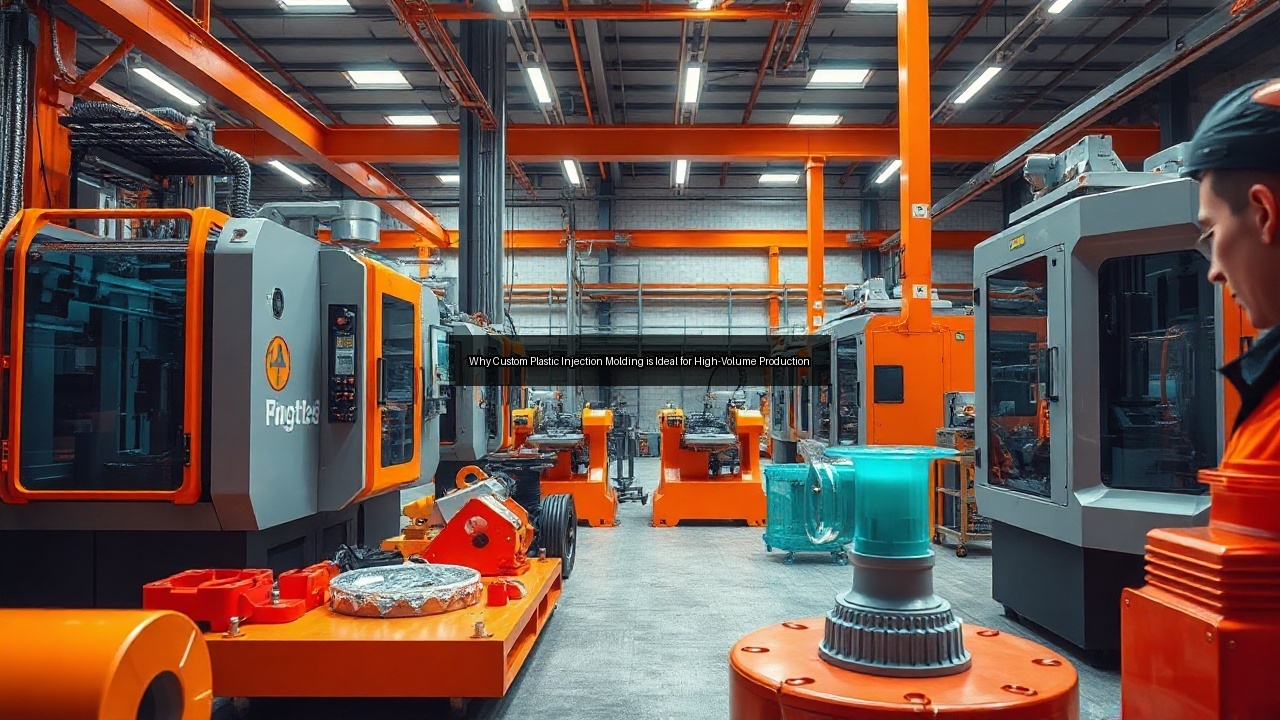
Understanding Custom Plastic Injection Molding
The Injection Molding Process Explained
Custom plastic injection molding transforms raw plastic into precise components through a highly efficient process. It begins with heating plastic pellets until they reach a molten state. This molten plastic is injected into a custom mold, where it cools and hardens into the desired shape. Once cooled, the mold opens, and the finished part is ejected. This method allows for high-volume production, producing thousands of identical parts quickly and consistently. The versatility of injection molds enables manufacturers to create complex geometries, ensuring that they meet specific design requirements. By optimizing cycle times, businesses can enhance productivity and reduce operational costs.
Key Benefits of Custom Plastic Injection Molding
Custom plastic injection molding offers numerous advantages that make it ideal for high-volume production. First, it provides exceptional precision, allowing for tight tolerances essential in industries like automotive and medical. This accuracy minimizes waste and ensures each part meets rigorous quality standards. Second, the process supports a variety of materials, including thermoplastics and liquid silicone rubber, enabling manufacturers to choose the best material for their applications. Third, custom molding facilitates low per-unit costs, especially in larger production runs, making it a cost-effective solution for businesses looking to scale. Finally, the flexibility in design allows for the integration of features like threaded inserts and overmolding, enhancing functionality and durability of the final product.
Common Applications in High-Volume Production
Various industries leverage custom plastic injection molding for high-volume production. The automotive sector, for instance, requires precision-engineered components that can withstand harsh conditions. Injection molded parts like dashboards, clips, and housings are commonplace. In consumer electronics, manufacturers utilize this process to produce intricate parts that require high durability and aesthetic appeal. Medical devices also benefit from injection molding, where precision and cleanliness are paramount. Other applications include packaging, construction tools, and even household items. The ability to produce custom plastic parts in bulk makes injection molding an invaluable resource across multiple sectors, driving innovation and efficiency.
Techniques and Technologies in Custom Molding
Overmolding and Insert Molding Explained
Overmolding and insert molding are advanced techniques within the realm of custom plastic injection molding that enhance product functionality. Overmolding involves applying a second layer of material over an existing molded part, allowing for improved grip, aesthetics, and tactile feel. For example, a soft rubber layer can be overmolded onto a hard plastic frame, creating a product that is both durable and comfortable to handle. Insert molding, on the other hand, involves placing components like metal inserts or threaded inserts into the mold before injecting plastic. This approach ensures secure integration of parts, minimizing assembly time and enhancing overall product integrity. Both techniques increase the design possibilities for manufacturers, allowing them to create innovative solutions tailored to specific market needs.
The Role of 3D Printing in Prototyping and Design
3D printing has revolutionized the prototyping stage of custom plastic injection molding. This technology allows designers to create rapid prototypes that can be tested for form, fit, and function before committing to the injection mold process. By using 3D printing, manufacturers can experiment with various designs quickly and cost-effectively, reducing time-to-market significantly. Additionally, 3D printed prototypes can provide valuable insights into potential design flaws, enabling engineers to make necessary adjustments early in the development phase. This iterative design approach not only saves time and resources but also enhances the quality of final products, ensuring they meet customer expectations and industry standards.
Advanced Surface Finishes and their Importance
Surface finishes play a critical role in the appeal and functionality of injection molded parts. Advanced surface finishes can enhance the aesthetic quality of a product, making it more attractive to consumers. Techniques like laser engraving, polishing, and texturing can create unique visual effects that differentiate products in a competitive market. Additionally, surface finishes impact the functionality of parts, influencing factors like friction, wear resistance, and ease of cleaning. For instance, smooth finishes may be preferred for parts that require minimal friction, while textured surfaces can improve grip. By carefully considering surface finish options during the design phase, manufacturers can significantly enhance both the performance and marketability of their custom plastic parts.
Cost Considerations and Pricing Strategies
Evaluating the Cost of Injection Molds
The cost of injection molds is a significant factor in custom plastic injection molding. Although the initial investment may appear high, it is essential to consider the long-term benefits. High-quality molds typically last for millions of cycles, distributing the cost over a large number of parts, which ultimately lowers the per-unit cost. Factors like mold complexity, material choice, and the number of cavities in the mold influence the overall price. Simple molds may cost less, but they can limit production capabilities. Evaluating the cost-effectiveness of different mold designs and materials ensures that businesses achieve the best return on investment while maintaining product quality and consistency.
Factors Influencing Custom Plastic Molding Pricing
Several factors influence the pricing of custom plastic injection molding services. Material choice plays a crucial role; high-performance thermoplastics often come at a premium compared to standard plastics. Additionally, the complexity of the part design can affect pricing, as intricate designs may require more advanced tooling and longer production times. Production volume also impacts cost—larger batches typically reduce the per-unit price. Furthermore, lead times and project timelines can influence costs, as rush orders might incur additional charges. Understanding these factors allows businesses to strategize their custom manufacturing processes effectively, balancing quality, cost, and delivery expectations to meet market demands.
ISO 9001 Certification and Its Impact on Quality and Cost
ISO 9001 certification signifies a commitment to quality management systems, impacting both the cost and quality of custom plastic injection molding. Companies with this certification follow stringent quality assurance protocols, ensuring that each stage of the production process meets established standards. This attention to detail improves product consistency and reliability, reducing the likelihood of defects. While achieving ISO 9001 certification may involve upfront costs, the long-term benefits include increased customer satisfaction, reduced waste, and improved operational efficiency. Customers often view ISO-certified manufacturers as more trustworthy, which can lead to increased business opportunities and a competitive edge in the marketplace.
Quality Control and Inspection in Plastic Injection Molding
Machining and EDM in Mold Creation
Machining and Electrical Discharge Machining (EDM) are critical processes in creating high-quality injection molds. Machining involves the precise shaping of mold components using tools that remove material to achieve desired dimensions and surface finishes. This method ensures the accuracy needed for tight tolerances in injection molded parts. EDM, on the other hand, is particularly useful for creating intricate details and complex geometries that traditional machining might struggle to achieve. By employing these techniques, manufacturers can produce durable, high-performance molds that yield high-quality parts consistently, essential for maintaining competitive advantage in high-volume production runs.
Importance of Inspection in the Injection Molding Process
Inspection is a vital component of the injection molding process, ensuring that every produced part meets quality standards and specifications. Regular inspection helps identify defects early, allowing for timely corrective actions. Techniques such as visual inspections, dimensional checks, and functional tests are commonly employed to assess part quality. Advanced technologies, including automated inspection systems, can enhance this process by providing real-time data and analytics. By integrating rigorous inspection protocols into the production line, manufacturers can maintain high-quality output, reduce waste, and foster trust with clients who rely on the consistency of injection molded parts.
Using CNC Machining for Precision in Tooling
CNC machining plays a significant role in enhancing precision during the tooling phase of custom plastic injection molding. This technology utilizes computer-controlled machines to create highly accurate mold components, allowing for the production of complex shapes and features with minimal tolerances. The precision offered by CNC machining reduces the likelihood of errors that can lead to costly rework or scrap. Furthermore, CNC machining can streamline the production process by allowing for rapid adjustments and modifications to molds, making it easier for manufacturers to adapt to changing design requirements. Investing in CNC technology ensures consistent quality and efficiency throughout the injection molding process.
See Also
- Custom Plastic Parts and Their Impact on Product Design and Functionality
- Liquid Silicone Rubber vs Thermoplastic Which is Best for Your Molding Needs
- How to Choose the Right Material for Your Custom Injection Molding Project
- Exploring the Versatility of Custom Plastic Injection Molding in Various Industries